Product design case study · ShellTerra / TotemPole Inc

A private space that remembers.

ShellTerra brings people, places, plans, memories, activities and community information into one shared space. I worked on making a product with both private and public behavior feel simple, trustworthy and human.

ShellTerra mobile product experience
ShellTerra shell icon
ProductShellTerra
PlatformiPhone · Web
FocusProduct UX · Community
StatusLive product

Context & opportunity

The challenge was not adding more features. It was making a complex product model understandable.

Too many things needed to live together

ShellTerra combines private groups, maps, messaging, activities, historical notes, media and public content. Without a strong organizing model, the product could easily feel like a collection of unrelated features.
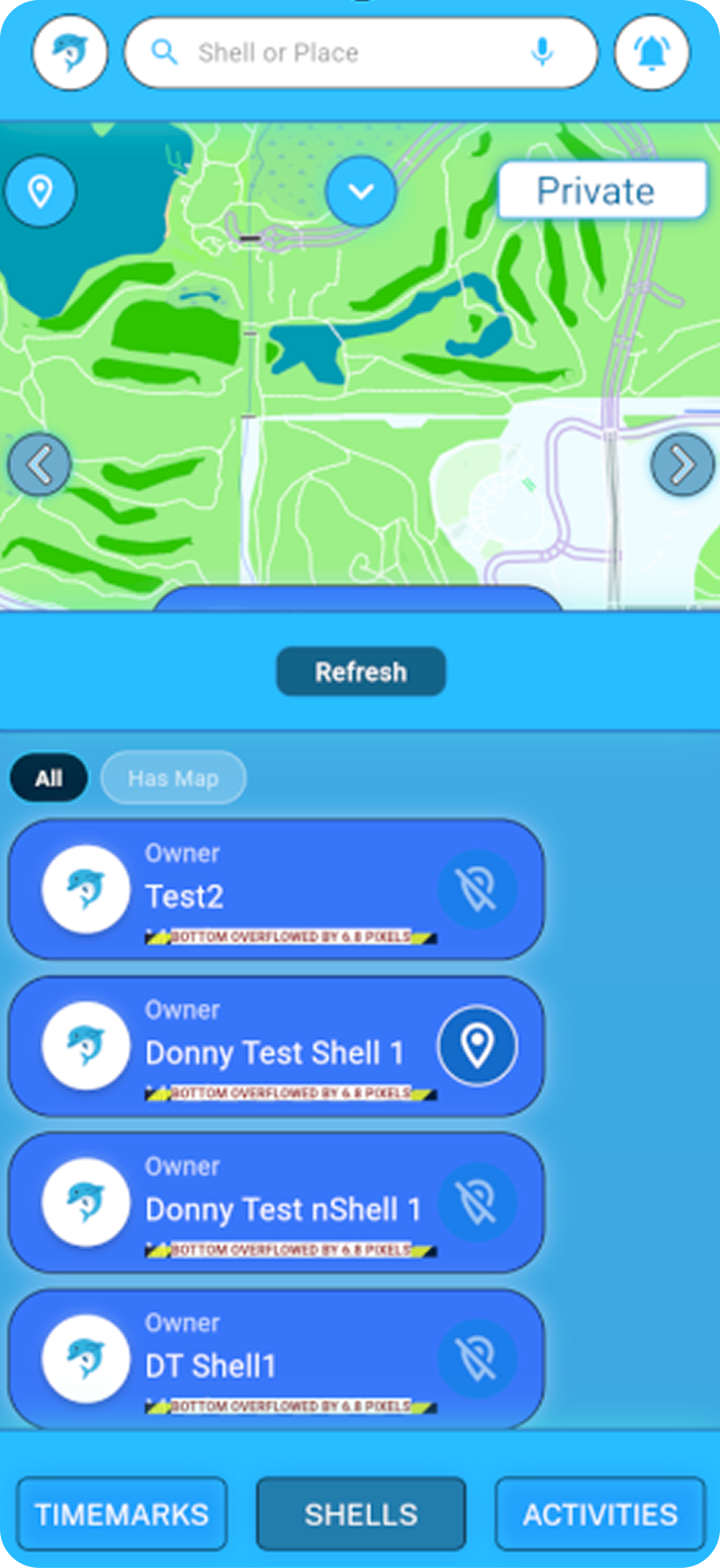
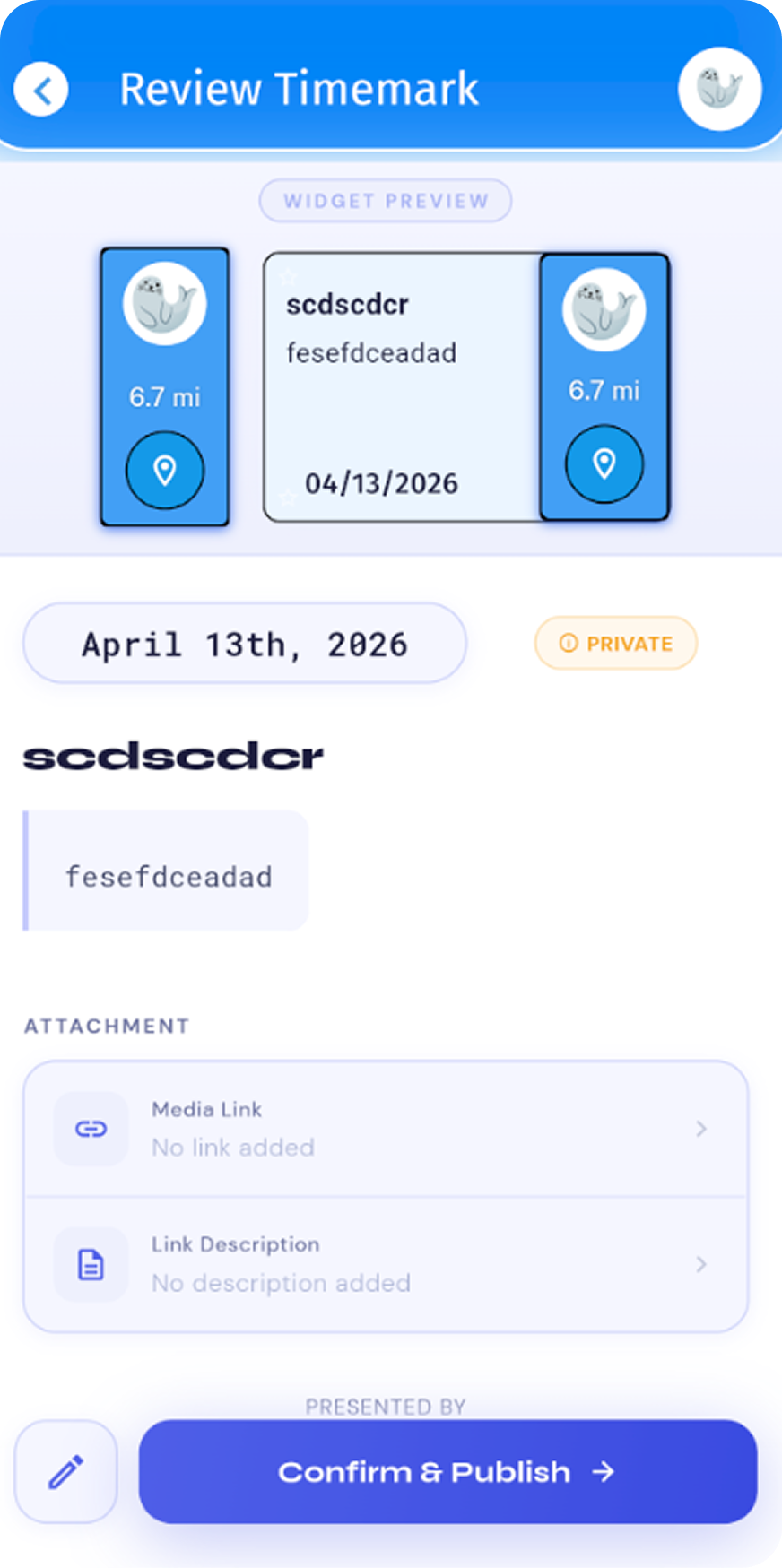
ShellTerra product interface showing the core private experience

Give every experience a clear home

The shell became the central product object: a shared space where people, places, activities and memories could stay connected while visibility remained intentional.

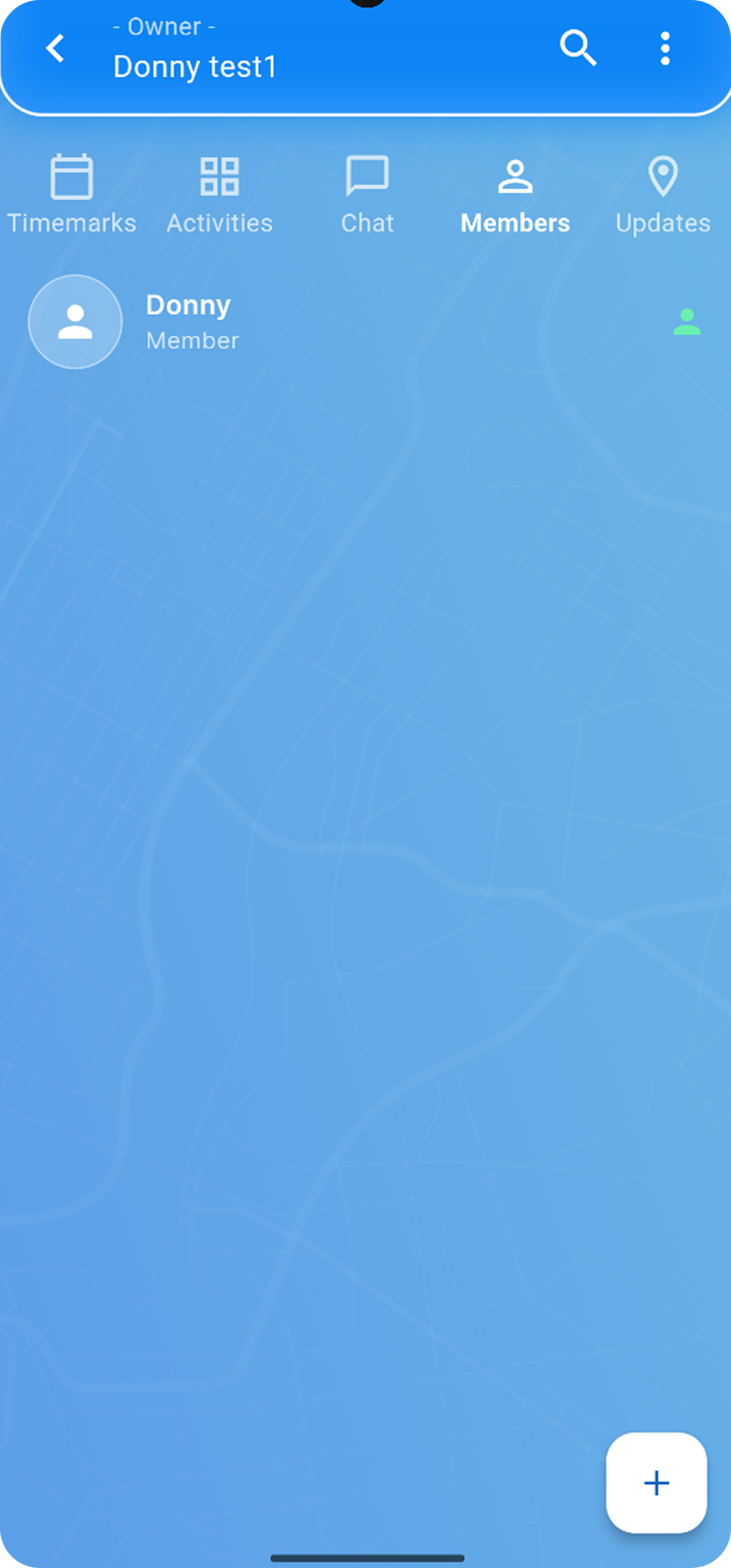
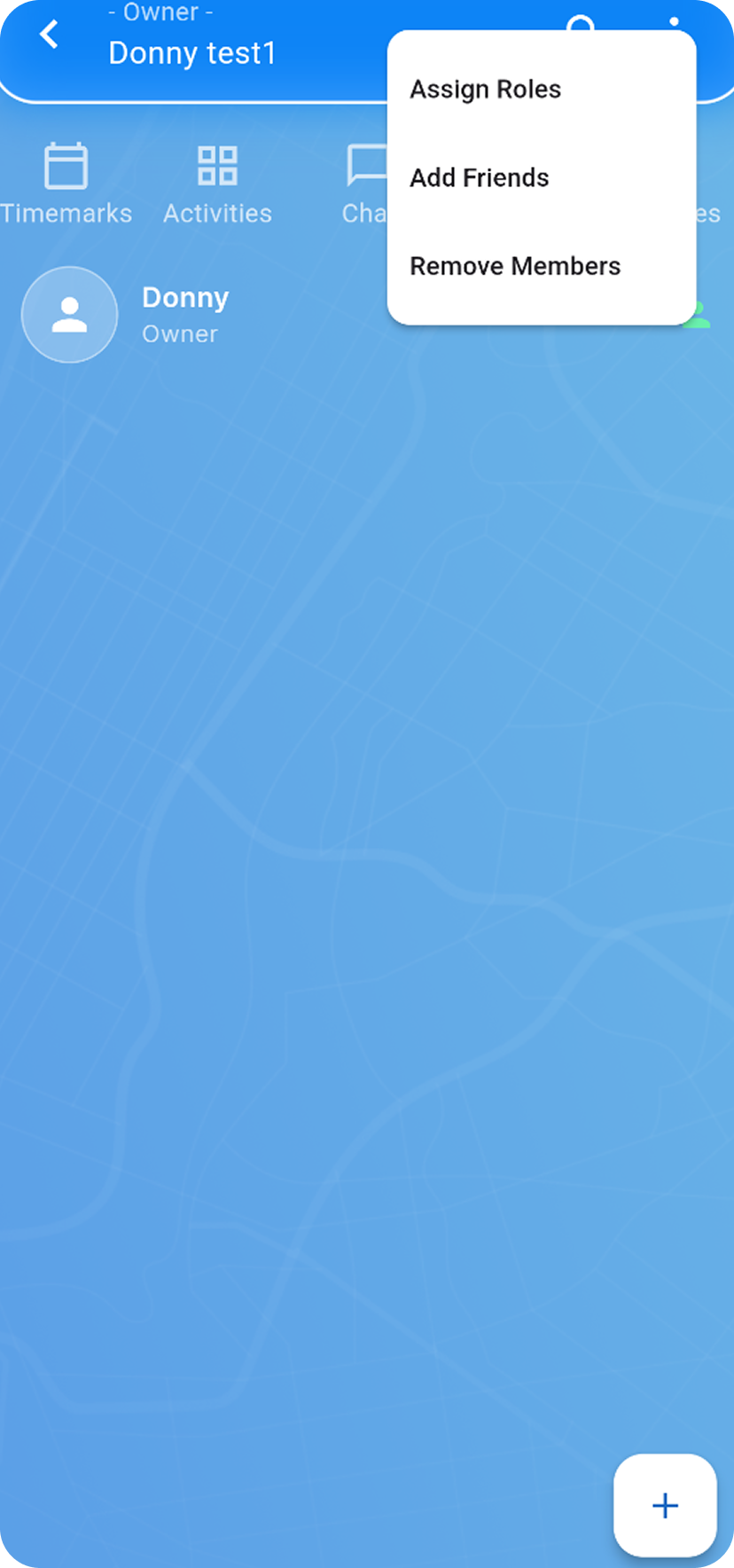
ShellTerra app screen showing shell overview and member controls

People think in places and moments

A trip, neighborhood, event, food drive or shared memory can contain many connected pieces of information.

Private and public are different modes

A private family plan should not feel like a public announcement. Visibility needs to be understandable at the moment it matters.

One product serves different intents

People may remember, coordinate, discover, contribute or manage a community. Navigation cannot become a feature catalogue.

Research & problem validation

The strongest validation came from the product model and the real-world behaviors it needed to support.

I mapped the product around the user's mental model

Rather than treating ShellTerra as another social feed or another map, the experience was framed around four connected objects: shells, places, activities and access.

What the product needed to support:

Private coordination, shared context, memory, selective public sharing and community information without forcing every use case into the same interaction.

Design implication:

Build a recognizable hierarchy first. Features should belong to a clear object instead of competing for attention at the same level.

The supplied ShellTerra material does not document interview counts, usability-test results or quantitative research metrics, so none are invented here.
ShellTerra mapping concept supporting place-based context

Public information tested the model at a different scale

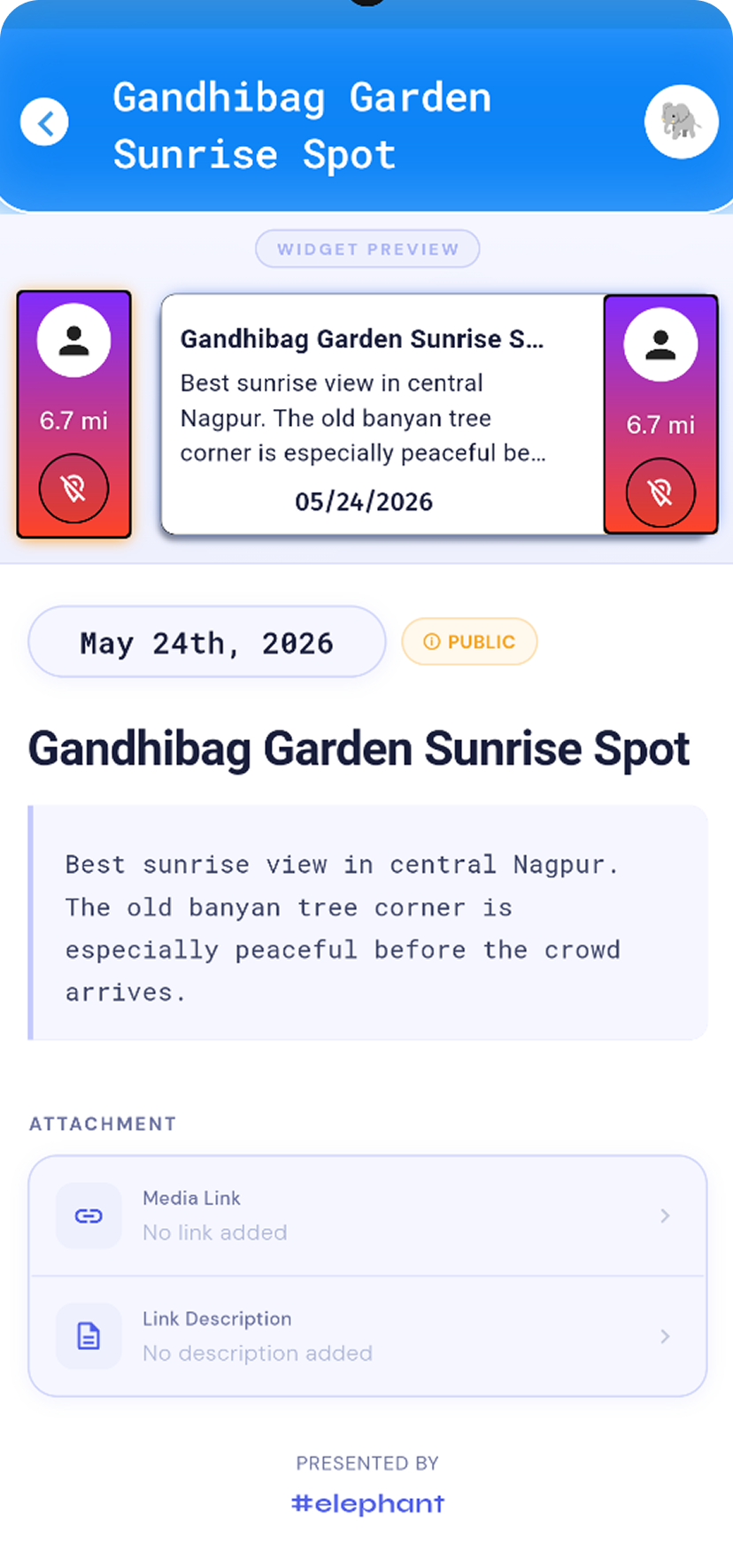
The public food distribution experience shows how the same product foundation can move from private community coordination into practical location-based information.

What this validates:

The shell model can support useful public information when there is a clear reason to open selected content to a wider audience.

Design implication:

Keep private coordination and public discovery connected by the same underlying model, but do not make them feel like the same mode.

ShellTerra public place information and community listing
Complexity

Many capabilities need one understandable organizing principle.

Context

Places give experiences a physical anchor.

Permission

Visibility must be intentional rather than incidental.

Opportunity

Private experiences can create useful public value when selectively shared.

Solution exploration & design concepts

I explored the product as a system of connected objects rather than a list of features.

Shells as the anchor

The shell became the container that explains where people, places, activities and memories belong.

Design principle:01Give complexity a home.
ShellTerra shell overview interface

Keep action and context connected

Places provide the physical anchor while activities create participation. This keeps planning and discovery grounded in a shared context rather than separating them into unrelated tools.

Design principle:02Connect what people do to where it happens.
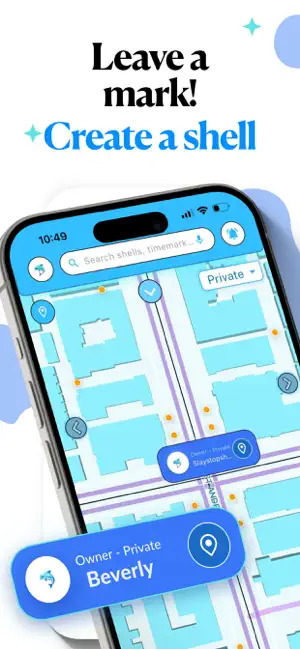
ShellTerra place map with nearby shells and filters

Make privacy part of the product model

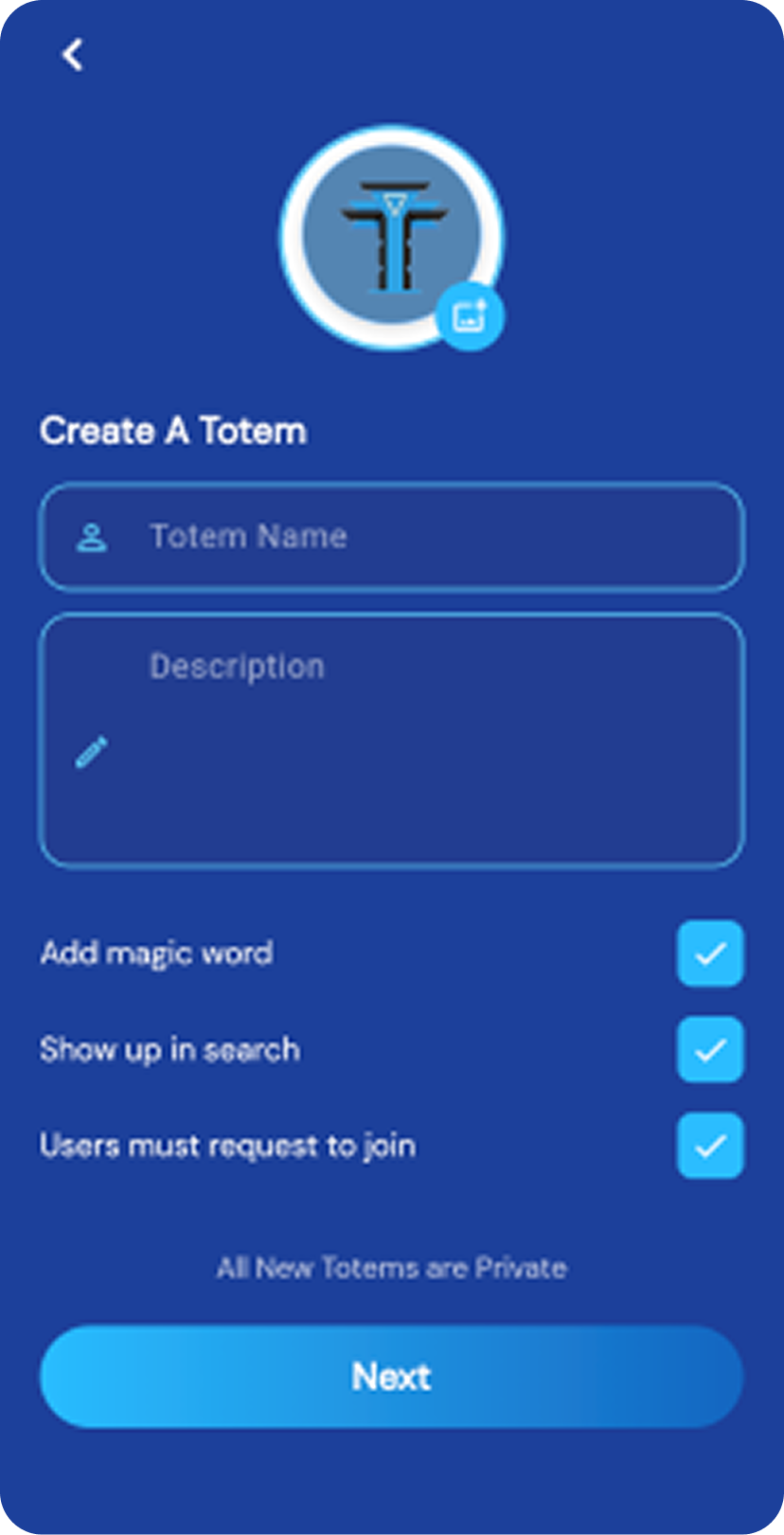
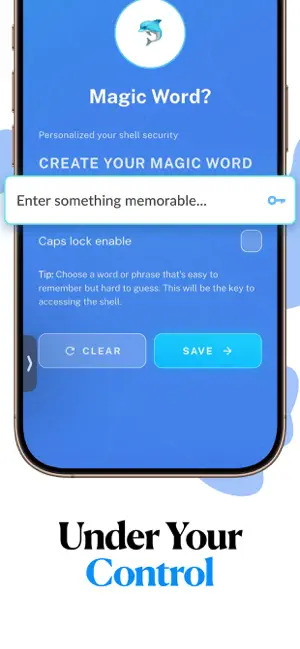
Membership and magic words provide a visible access model so users can understand that a shell can remain controlled even when the wider product supports public experiences.

Design principle:03Trust is a product behavior, not a settings page.
ShellTerra create-a-totem setup screen with access options

Core design decisions

The design decisions focused on hierarchy, context and controlled visibility.

Make the primary object recognizable

The shell should remain the strongest organizing object in the experience. Users should know which group or context they are inside before secondary actions compete for attention.

Why: A complex product needs one stable mental model that can absorb new capabilities without reinventing navigation.

ShellTerra private shell experience

Make visibility intentional

Private coordination and public discovery are connected by the same model, but they should feel like different modes.

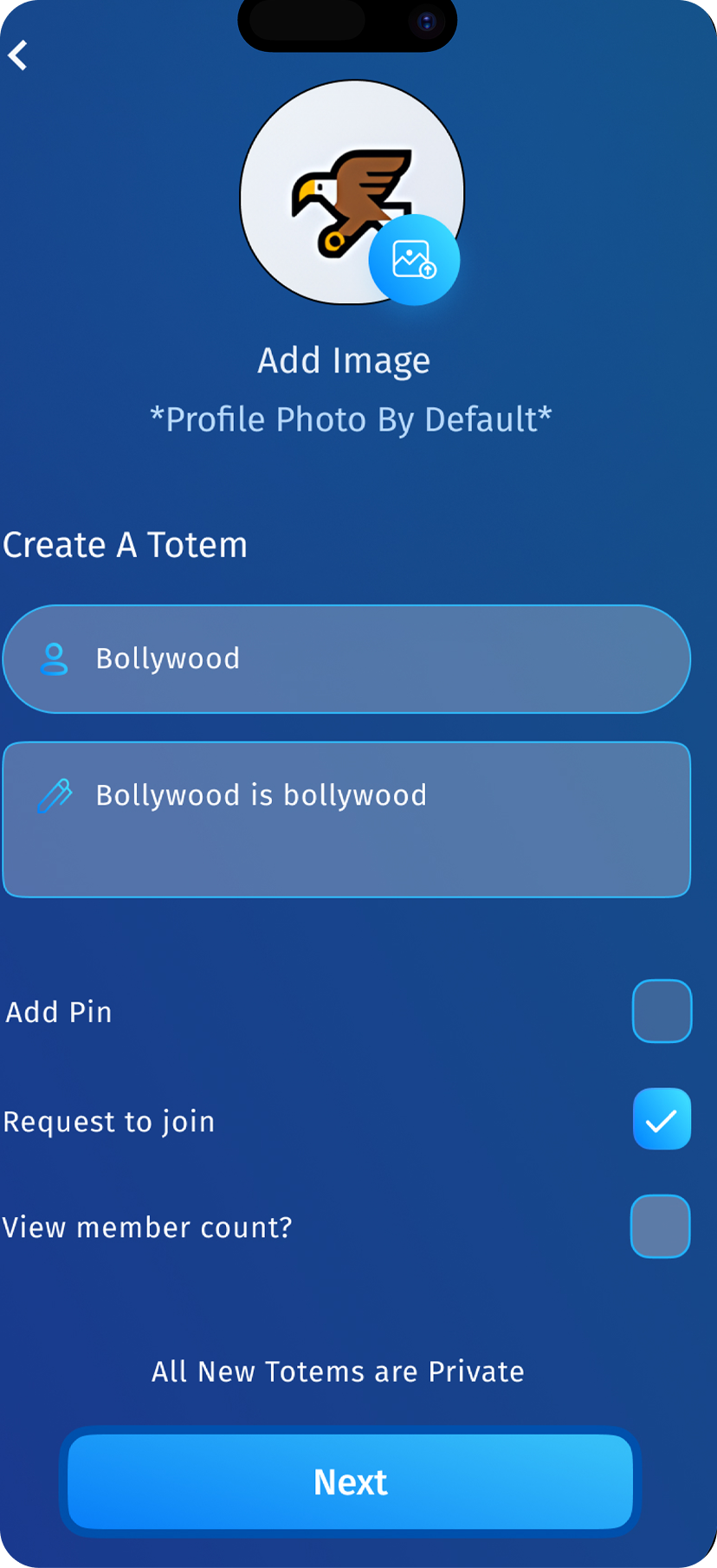
Why: Users need to understand what becomes visible and retain control over access rather than discovering privacy rules after the fact.

ShellTerra create-a-shell screen with privacy and membership options

Design philosophy: Create a strong mental model first, then let the feature set grow inside it.

Iteration cycles & shipping

The product evolved by extending one model across more real-world contexts.

ShellTerra shipped mobile experience
Shipped private shell experience
ShellTerra mapping concept
Place-based context
Friction

Multiple capabilities could make the product feel like a feature catalogue.

Impact

Users could lose the connection between people, place, activity and memory.

Response

Keep the shell as the stable container while layering places, activities, timemarks and access inside the same model.

Shipped

The live product brings private shells, messaging, activities, members, maps, timemarks and selective public sharing together.

Outcome: The product model can support both immediate coordination and longer-term community memory without requiring a different mental model for every feature.

Keep experiences grounded in location.

Maps and place context give activities and memories a physical anchor.

Separate doing from remembering.

Activities support participation while timemarks preserve what happened over time.

Let public value emerge selectively.

Private spaces can become useful to wider communities when selected information is intentionally opened.

What worked: design validation

The strongest evidence is how one product model works across private, shared and public contexts.

✓ The shell gives complexity a home

Multiple capabilities can sit inside a recognizable object instead of competing as separate top-level features.

✓ Place keeps information meaningful

Maps and location context connect activities and memories to something people can physically recognize and revisit.

✓ Privacy becomes part of the interaction

Membership and access concepts make visibility part of the product model rather than an afterthought.

✓ Private and public can share one foundation

The public food distribution experience demonstrates that the same underlying model can support useful community information.

✓ The product can scale without changing its core mental model

Friends, families, teams, organizations and communities can use the same shell-based foundation at different scales.

No unsupported performance metrics are presented. The evidence here is grounded in the supplied product model, shipped surfaces and documented public use case.

What I learned

I was not designing a collection of features. I was designing a mental model that could grow.

Complexity needs a home

When a product has many capabilities, users need a strong object that explains where those capabilities belong. Shells provide that organizing principle.

Privacy is a product behavior

Trust is created by making access and visibility understandable at the moment they matter, not only through a privacy page.

Community grows from context

The most useful public information can come from experiences that began as small private interactions. The product should support that transition without forcing it.

Designing products that connect people, places and purpose.

ShellTerra shows how a product can begin with a private group and gradually create value at a community level. The core design work is making that journey feel clear, intentional and trustworthy.